All Categories
Featured
Table of Contents
AI tools can aid with this due to the fact that LLMs or ad-hoc AIs can track plan updates. HR teams can after that check changes and see to it that human resources practices abide by the most up to date laws. AI automation in HR redefines how human resources divisions operate as it addresses core challenges with smart solutions. Here's exactly how AI enhances human resources processes: AI takes control of recurring and taxing tasks, like return to evaluating.
It's crucial to and develop where automation will certainly have the most influence. If you're focused on boosting employment, an AI system that can efficiently create work summaries could be your best bet.
One of one of the most noteworthy growths will be the. This technology will enable HR groups to predict which candidate will be the best for a work simply by checking out a return to. However, it will likewise find out future labor force needs, identify employee retention dangers, and even recommend which employees could gain from added training.
An additional location where AI is readied to make waves is in. With the expanding emphasis on psychological health and wellness and work-life balance, AI-driven services are already being created to provide staff members with customized assistance. It's most likely that employees will not want to talk with virtual health aides powered by AI. They will not really take care of the real-time feedback a chatbot has for them.
The Competitive Landscape for [a:specialty] Body shop
In terms of modification, generative AI might take them even better. And speaking regarding that strain of technology, can become a game-changer in HR automation. This modern technology is expected to exceed basic chatbots and assist HR groups produce personalized job descriptions, automated efficiency reviews, and even personalized training programs.
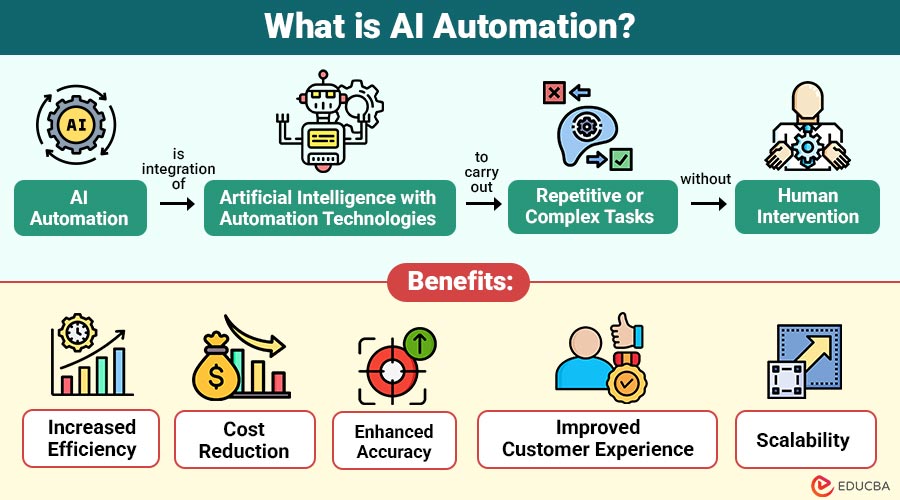
AI automation is rewriting HR as it deals with recurring and lengthy jobs and permits Human resources experts to focus on strategic goals. An improved staff member experience and dependable data for decision-making are also advantages of having AI connected into a Human resources process.
The idea of "a device that assumes" go back to ancient Greece. Because the introduction of electronic computing (and relative to some of the subjects talked about in this write-up) vital events and landmarks in the advancement of AI consist of the following: Alan Turing releases Computing Equipment and Knowledge. In this paper, Turing renowned for breaking the German ENIGMA code during WWII and commonly described as the "father of computer technology" asks the following inquiry: "Can equipments assume?" From there, he offers an examination, now notoriously referred to as the "Turing Examination," where a human interrogator would try to compare a computer system and human text response.
Sustained vs Instant Body shop Tactics
John McCarthy coins the term "expert system" at the first-ever AI seminar at Dartmouth College. (McCarthy took place to design the Lisp language.) Later that year, Allen Newell, J.C. Shaw and Herbert Simon create the Logic Philosopher, the first-ever running AI computer program. Frank Rosenblatt develops the Mark 1 Perceptron, the very first computer based upon a semantic network that "discovered" through trial and mistake.
Neural networks, which make use of a backpropagation algorithm to educate itself, came to be commonly utilized in AI applications. Stuart Russell and Peter Norvig release Expert system: A Modern Technique, which turns into one of the leading books in the study of AI. In it, they dive right into four prospective objectives or definitions of AI, which distinguishes computer systems based upon rationality and thinking versus acting.
Multi-Location Body shop Approach for [a:specialty] Practices
With these new generative AI practices, deep-learning versions can be pretrained on large amounts of data. The most up to date AI trends indicate a proceeding AI renaissance. Multimodal models that can take numerous kinds of information as input are giving richer, much more robust experiences. These versions combine computer vision photo recognition and NLP speech recognition capacities.
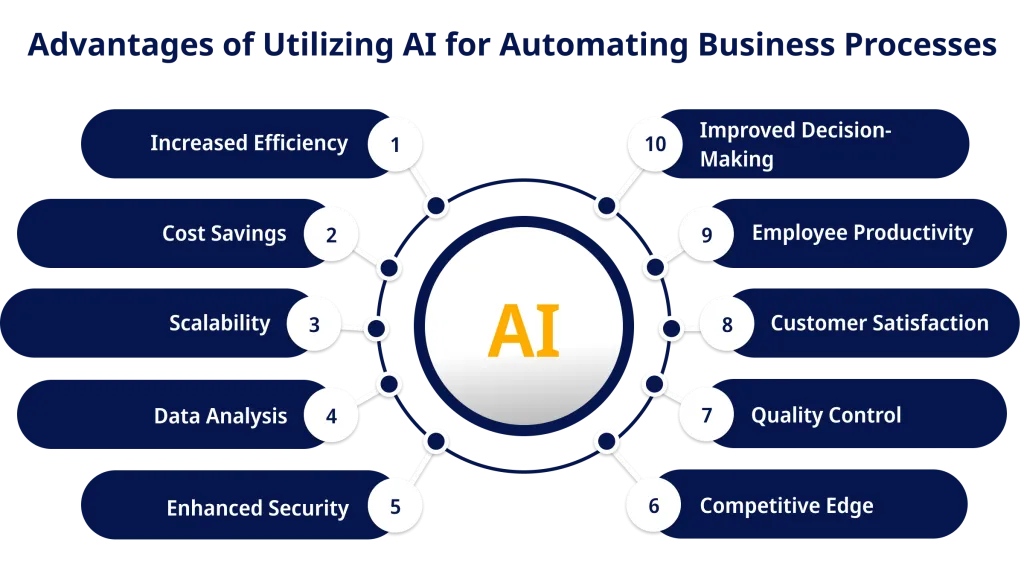
Below are the essential ones: Provides Scalability: AI automation readjusts quickly as business needs grow. It utilizes cloud resources and artificial intelligence designs that broaden capability without extra manual labor. Provides Speed: AI versions (or tools) process information and respond instantaneously. This makes it possible for much faster service shipment and decreases hold-ups in procedures.
Assessing Your Market in Geographic Counseling Markets
Collect Data: Gather pertinent information from reputable resources. The information may be incomplete or have extra details, but it creates the base for AI.Prepare Data: Clean the information by getting rid of mistakes and redundancies. Arrange the data to fit the AI approach you intend to make use of. Select Formula: Select the AI formula ideal matched for the issue.
Train Model: Train the AI version using the training data. Examination Design: Test the incorporated AI model with a software program application to ensure AI automation functions properly.
Health care: AI is used to anticipate illness, take care of individual documents, and offer individualized diagnoses. Production: AI anticipates equipment failings and takes care of top quality checks.
It aids projection need and established vibrant costs. Retailers additionally use AI in stockrooms to improve stock handling. AI automation functions best when you have the right devices built to handle specific jobs. There are several AI automation tools around; here are several of them: KaneAI: LambdaTest KaneAI is a generative AI automation screening representative that allows individuals to create, debug, and advance examinations utilizing natural language.
Video Content Strategy for [a:specialty] Body shop
ChatGPT: It is an AI device that helps with tasks like creating, coding, and responding to questions. ChatGPT is made use of for composing e-mails, summing up text, generating ideas, or fixing coding troubles.

Latest Posts
Understanding What Prospective Clients Look For In Search Engines
Boosting Google Results with Structured Data
Preventing Costly Car paint Missteps for Wellness Providers